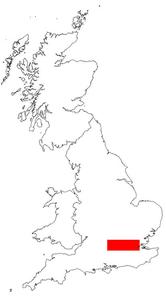
The shrink–swell 3D data is a regional hazard-susceptibility map that identifies areas of potential shrink–swell hazard in 3D at intervals down to 20 m in the London and Thames Valley area. The data is classified on an A–E range of hazard susceptibility.
Swelling clays can change volume due to variation in moisture, which can cause ground movement that may affect many foundations. Ground moisture variations may be related to a number of factors, including weather variations, vegetation effects (particularly growth or removal of trees) and the activities of people that might cause changes to the ground conditions. Such changes can affect building foundations, pipes or services.
These hazards may also affect anyone involved in the construction of large structures (deep foundations; basements), infrastructure networks (road or rail) or utility companies. The 3D properties of these materials can be used to identify potential problems at surface, in the shallow subsurface or deeper underground (e.g. tunnels).

